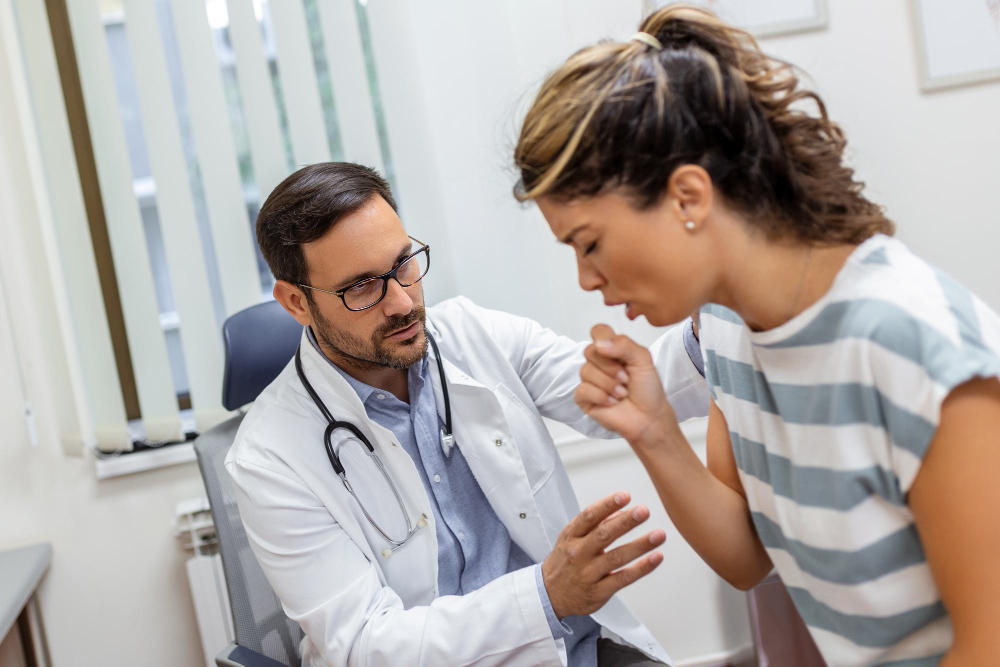
What is Pulmonary Edema?
Pulmonary edema is a condition where fluid builds up in the lungs. This makes it hard to breathe. The fluid collects in the air sacs, which are tiny spaces in the lungs. Because of this, oxygen cannot move easily into the blood. Pulmonary edema treatment options help remove this fluid and improve breathing. This guide explains how is pulmonary edema treated and what you can do to manage it.
Common Symptoms and Causes
Often, people with pulmonary edema notice trouble breathing. Sometimes, symptoms appear suddenly. Other times, they develop slowly. You may also feel tired or weak. In some cases, a cough may bring up pink, frothy spit. Here are common symptoms:
There are several causes of pulmonary edema. Most often, it happens when the heart cannot pump blood well. This is called heart failure. However, other causes include:
Diagnosis: How Pulmonary Edema is Identified
Doctors use several steps to diagnose pulmonary edema. First, they ask about your symptoms and medical history. Next, they listen to your lungs with a stethoscope. Often, they hear crackling sounds. To confirm the diagnosis, doctors may order tests such as:
With these tests, doctors can find the cause and choose the best treatments for pulmonary edema.
Treatment Options for Pulmonary Edema
Treating pulmonary edema is urgent. The main goal is to remove fluid from the lungs and help you breathe better. There are several pulmonary edema treatment options. The right choice depends on the cause and how severe your symptoms are.
Emergency Care
Sometimes, pulmonary edema is a medical emergency. Quick treatment can save lives. In the hospital, doctors may:
Medications
Doctors use medicines to remove extra fluid and support the heart. Common medicines include:
These medicines help with managing fluid in the lungs and improve breathing.
Oxygen Therapy
Oxygen therapy is often needed. It helps increase the amount of oxygen in your blood. You may get oxygen through a face mask or nasal tubes. In severe cases, a breathing machine may be used.
Lifestyle Changes
After the emergency passes, lifestyle changes can help prevent future problems. For example, you may need to:
These steps support your heart and lungs and lower the risk of more fluid buildup.
Hospital Interventions
In some cases, more advanced treatments are needed. Doctors may:
Doctors choose the best treatments for pulmonary edema based on your needs.
Prevention Tips and Lifestyle Guidance
There are ways to lower your risk of pulmonary edema. Simple changes can make a big difference. Here are some tips:
With these steps, you can help prevent fluid buildup in your lungs.
When to Seek Medical Help
Pulmonary edema can become serious very quickly. Therefore, you should seek help right away if you notice:
Early treatment can save lives. If you have any of these symptoms, call emergency services or go to the nearest hospital.
Conclusion
Pulmonary edema is a serious condition, but many treatment options are available. With the right care, most people recover well. Always follow your doctor’s advice and make healthy lifestyle choices. Consult a pulmonologist or healthcare provider for personalized advice on pulmonary edema treatment.