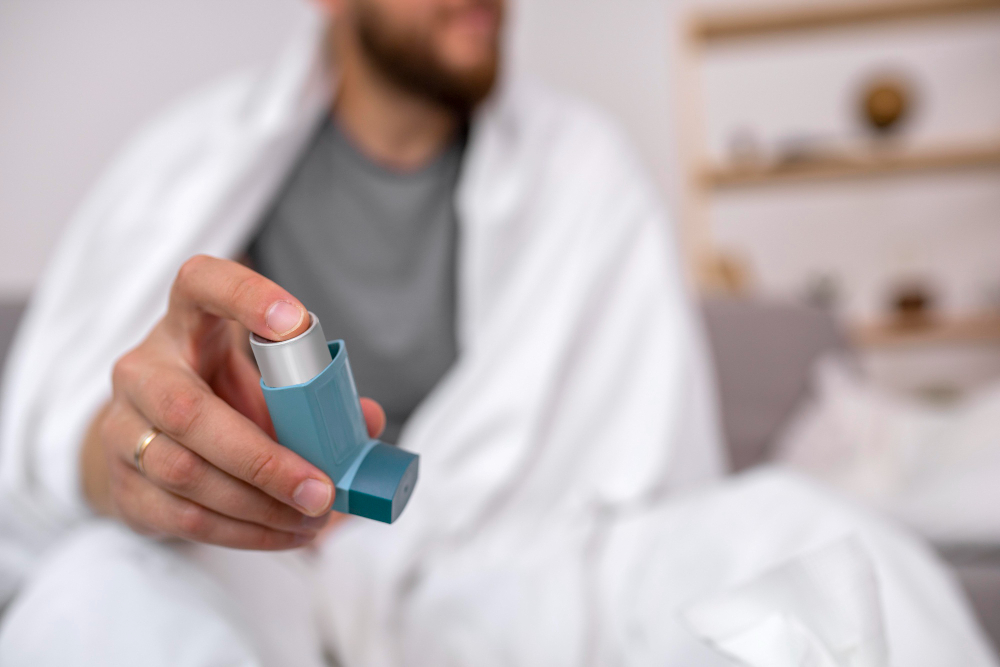
Asthma is a long-term condition that affects the airways in your lungs. It can make breathing hard at times. For many people, knowing how to spot and manage an asthma attack is very important. An asthma attack can happen suddenly and may become serious if not treated quickly. In this guide, you will learn how to recognize asthma attack symptoms, what causes them, and how to manage an asthma attack safely. This information can help you or someone you care about stay safe and healthy.
What Is an Asthma Attack?
An asthma attack happens when the airways in your lungs become narrow and swollen. Because of this, it gets hard to breathe. During an attack, the muscles around the airways tighten. At the same time, more mucus is made, which blocks airflow even more. Sometimes, asthma attacks are mild. Other times, they can be life-threatening. Therefore, knowing what to do is very important.
Common Symptoms of an Asthma Attack
Recognizing asthma attack symptoms early can help you act fast. Here are some signs to watch for:
Sometimes, symptoms get worse quickly. So, it is important to act right away if you notice these signs.
Causes and Triggers of Asthma Attacks
Many things can cause or trigger an asthma attack. Knowing your asthma triggers can help you avoid them. Common causes and triggers include:
Because triggers can be different for everyone, it helps to keep track of what causes your symptoms.
How to Recognize an Asthma Attack Early
Early warning signs can help you act before an asthma attack becomes severe. For example, you may notice:
If you notice these early signs, take action right away. This can help prevent a serious attack.
Immediate Steps to Manage an Asthma Attack
If you think you are having an asthma attack, follow these steps for emergency asthma treatment:
Always keep your inhaler with you. Because quick action can save lives, do not wait if symptoms get worse.
When to Seek Emergency Help
Sometimes, asthma attacks can become very serious. Seek emergency help right away if:
Even if you are unsure, it is better to get help quickly. Emergency teams can provide oxygen and other treatments to help you breathe.
Prevention Tips for Asthma Attacks
Preventing asthma attacks is possible with the right steps. Here are some tips:
Because prevention is key, talk to your doctor about any changes in your symptoms.
Lifestyle Guidance for Asthma Patients
Living with asthma can be easier with some simple lifestyle changes. For instance:
With these steps, you can enjoy a healthy and active life. Remember, regular check-ups help keep your asthma under control.
If you or someone you know experiences asthma symptoms, consult a healthcare specialist for personalized advice.