Introduction
Pneumonia is a common lung infection that can affect anyone. In the United States, pneumonia remains a leading cause of illness, especially in children and older adults. Because pneumonia can be serious, it is important to know what causes it and who is most at risk. This blog will explain the main causes of pneumonia, key risk factors, and simple ways to help prevent it.
What is Pneumonia?
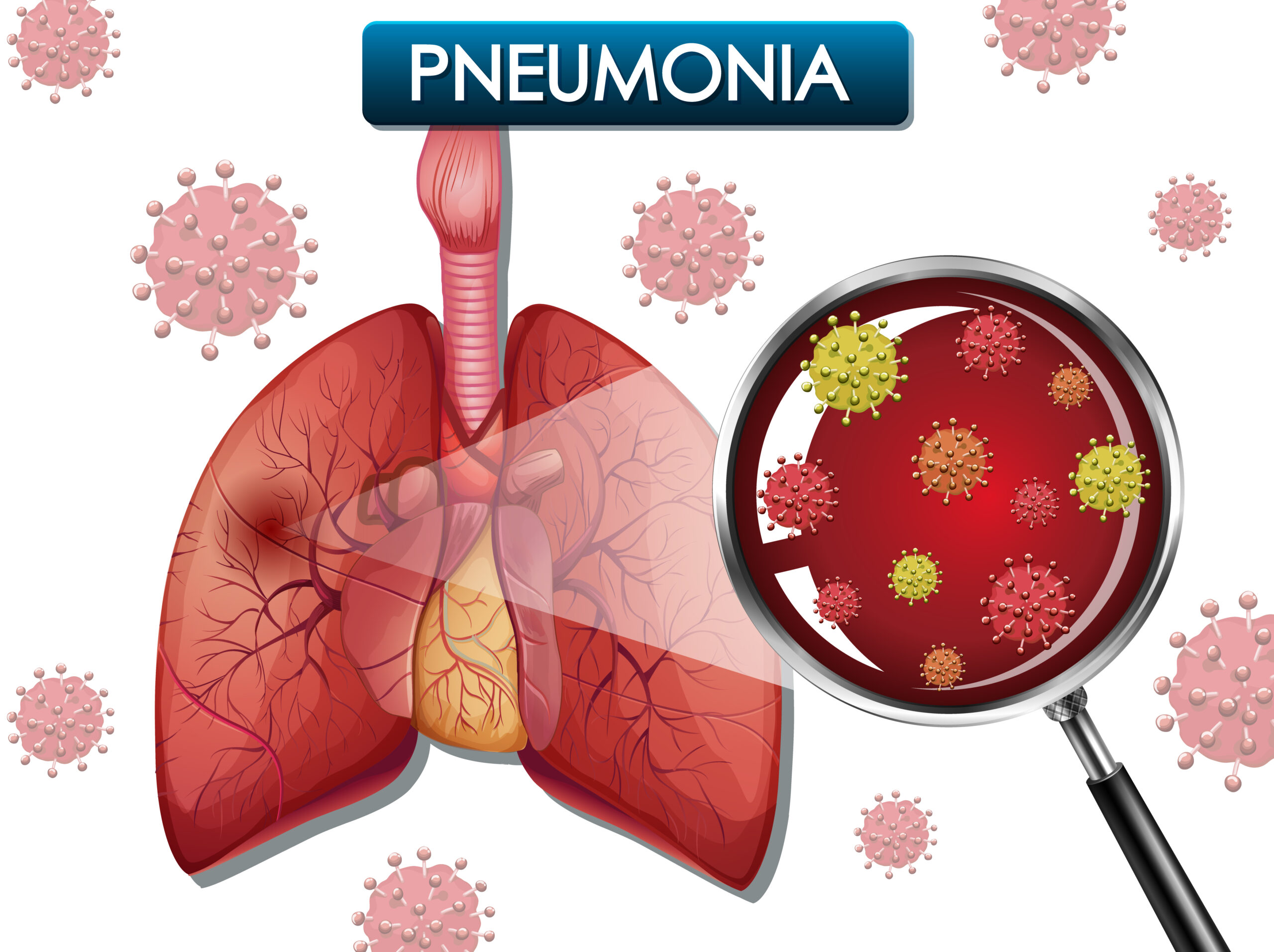
Pneumonia is an infection that inflames the air sacs in one or both lungs. Sometimes, these air sacs fill with fluid or pus, making it hard to breathe. Although symptoms can vary, most people with pneumonia have a cough, fever, and trouble breathing. According to the Centers for Disease Control and Prevention (CDC), pneumonia can range from mild to life-threatening, especially in people with weak immune systems.
Main Causes of Pneumonia
Many germs can cause pneumonia. However, the most common causes are:
Because different germs cause pneumonia, treatment can vary. For example, antibiotics help with bacterial pneumonia but not with viral pneumonia.
Key Risk Factors for Pneumonia
Anyone can get pneumonia, but some people have a higher risk. Knowing these pneumonia risk factors can help you stay alert:
Because these risk factors can add up, it is important to talk to your doctor if you have any concerns.
How to Reduce Your Risk of Pneumonia
Thankfully, you can take steps to lower your risk of pneumonia. Here are some simple tips for preventing pneumonia:
Because prevention is key, following these steps can help protect you and your loved ones from pneumonia.
Conclusion
Pneumonia is a serious infection, but you can lower your risk by understanding its causes and risk factors. For more information or advice on preventing pneumonia, consult a healthcare professional. Early action can make a big difference in your health.