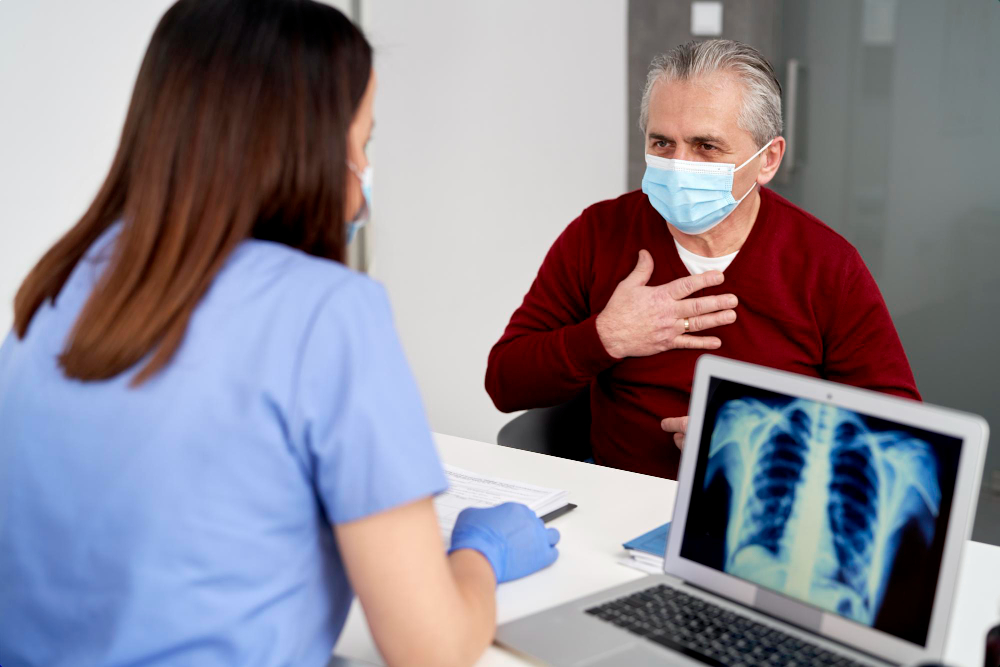
What Is Lung Cancer?
Lung cancer starts when cells in the lungs grow out of control. These cells can form a tumor and spread to other parts of the body. Often, lung cancer does not cause symptoms until it is advanced. Because of this, many people do not know they have it until it is harder to treat. According to the World Health Organization (WHO), lung cancer is one of the most common cancers worldwide.
Why Is Early Detection Important?
Early detection of lung cancer can save lives. When doctors find lung cancer early, treatment is more likely to work. In fact, people diagnosed at an early stage have a better chance of survival. However, many cases are found late, when the cancer has already spread. That is why lung cancer screening is so important. It helps find cancer before symptoms appear.
Who Should Consider Lung Cancer Screening?
Not everyone needs lung cancer screening. Still, some people have a higher risk. The Centers for Disease Control and Prevention (CDC) recommends screening for:
If you fit these groups, you should talk to your doctor. They can help you decide if screening is right for you. In some areas, screening programs may be easier to access than in others. Always check local health centers for options near you.
Common Screening Methods
Doctors use a test called a low-dose computed tomography (low-dose CT scan) for lung cancer screening. This scan uses less radiation than a regular CT scan. It takes detailed pictures of your lungs. The test is quick and does not hurt. Because it can find small spots in the lungs, it helps doctors catch cancer early.
Benefits and Risks of Screening
Lung cancer screening has many benefits. For example, it can:
However, there are also some risks. These include:
Even so, for people at high risk, the benefits often outweigh the risks. Your doctor can help you weigh these factors.
How to Prepare for Screening
Preparing for a lung cancer screening is simple. Usually, you do not need to do anything special. Still, you should:
After the scan, you can return to your normal activities right away. Your doctor will explain the results and next steps.
Prevention Tips and Healthy Lifestyle Guidance
While screening is important, prevention is even better. You can lower your risk of lung cancer by:
Additionally, regular check-ups with your doctor can help catch health problems early.
Summary and Next Steps
In summary, lung cancer screening can help find cancer early, when treatment works best. People at higher risk should talk to their doctor about screening. Early detection saves lives. For more information, visit trusted sources like the CDC or WHO. Consult a healthcare professional to learn if lung cancer screening is right for you.